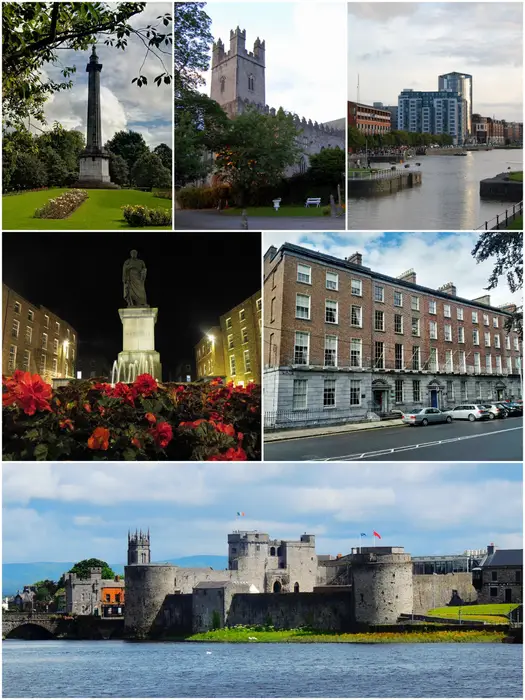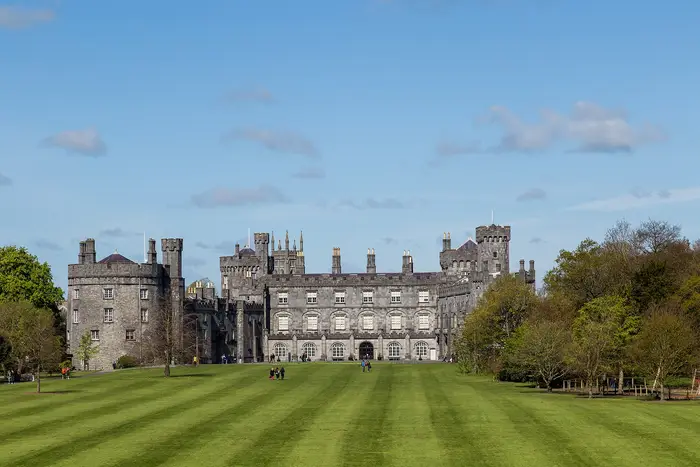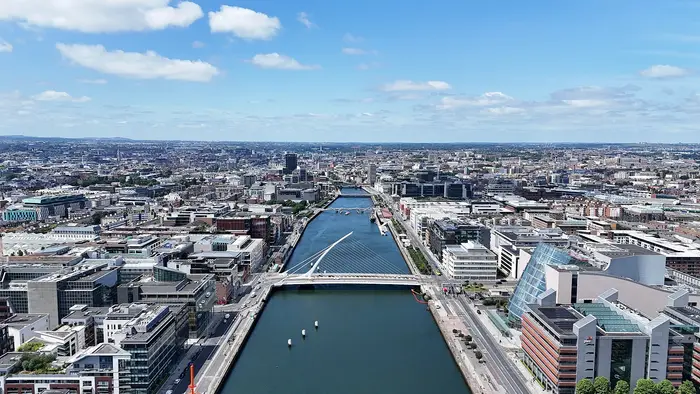
Ireland has 11 cities: five in the Republic by statute, five in Northern Ireland, and Kilkenny, which keeps the title by charter and custom rather than by law. Beyond them are thousands of towns. Here are the cities and 82 of the towns, at least one in every county, each with the Irish name that tells you what the place is: a ford, a church, a fort, a marsh.
The Republic has five by statute — Dublin, Cork, Limerick, Galway and Waterford — and Kilkenny is called a city on the strength of its charter and long usage rather than current law, which is why you will see the Republic credited with either five cities or six depending on who is counting. Northern Ireland has 5: Belfast, Derry, Lisburn, Newry, Armagh. Size is not what makes a city — Armagh is the smallest of them all and is a city because it is the ecclesiastical capital of the island, seat of both the Catholic and the Church of Ireland primates.
| City | In Irish | County | Population |
|---|---|---|---|
| Dublin | Baile Átha Cliath | Dublin | 1,263,219 |
| Belfast | Béal Feirste | Antrim | 291,386 |
| Cork | Corcaigh | Cork | 222,526 |
| Limerick | Luimneach | Limerick | 102,287 |
| Galway | Gaillimh | Galway | 85,910 |
| Derry | Doire | Derry / Londonderry | 84,884 |
| Waterford | Port Láirge | Waterford | 60,079 |
| Lisburn | Lios na gCearrbhach | Antrim | 51,447 |
| Newry | An tIúr | Down | 28,026 |
| Kilkenny | Cill Chainnigh | Kilkenny | 27,184 |
| Armagh | Ard Mhacha | Armagh | 16,438 |
City and suburbs, Census 2022 in the Republic and Census 2021 in Northern Ireland. A figure is only given where we hold a census one.
Every town name in Irish — what it means and how to say it →
Dublin
Baile Átha Cliath
County Dublin · 1,263,219
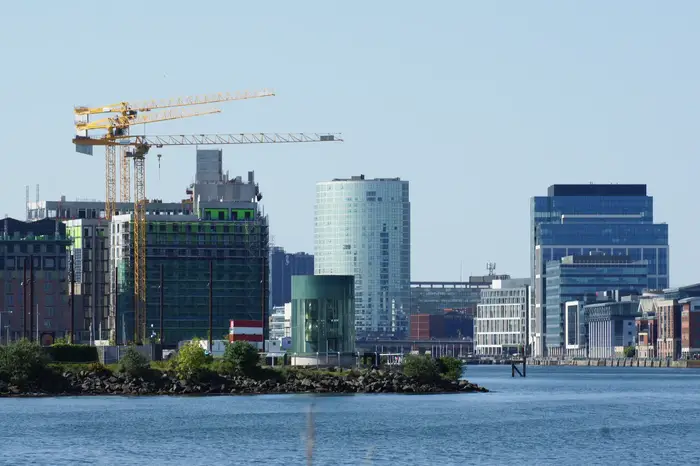
Belfast
Béal Feirste
County Antrim · 291,386
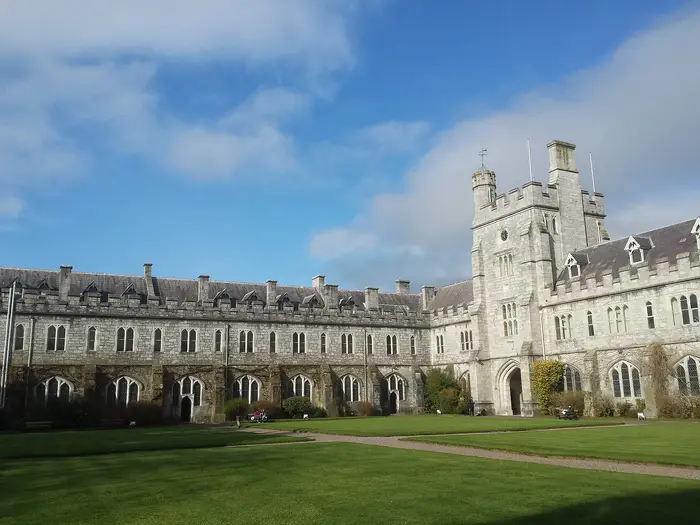
Cork
Corcaigh
County Cork · 222,526
Limerick
Luimneach
County Limerick · 102,287
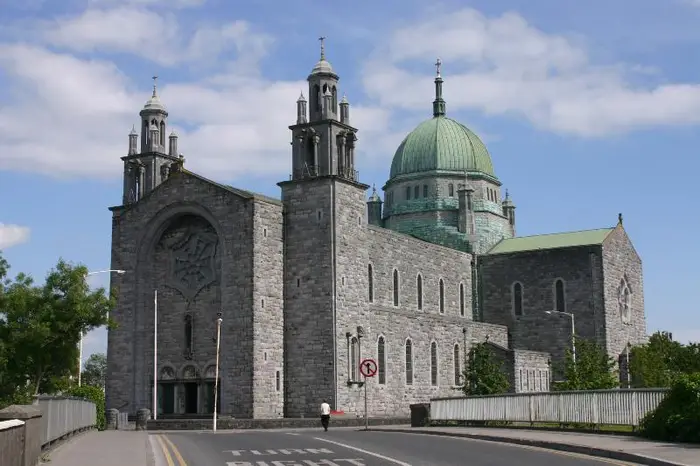
Galway
Gaillimh
County Galway · 85,910
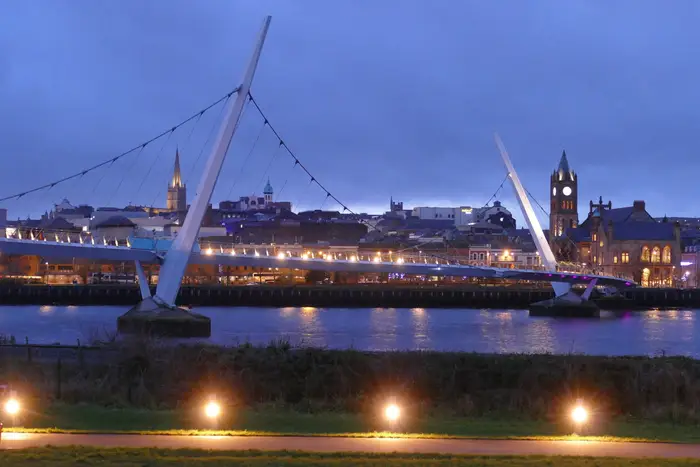
Derry
Doire
County Derry / Londonderry · 84,884
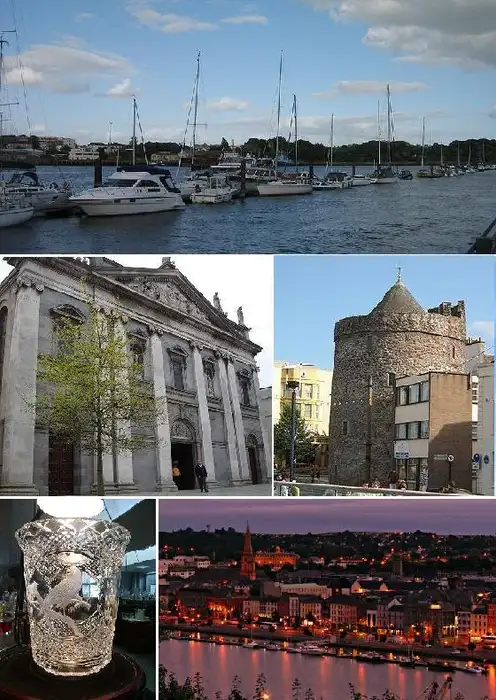
Waterford
Port Láirge
County Waterford · 60,079
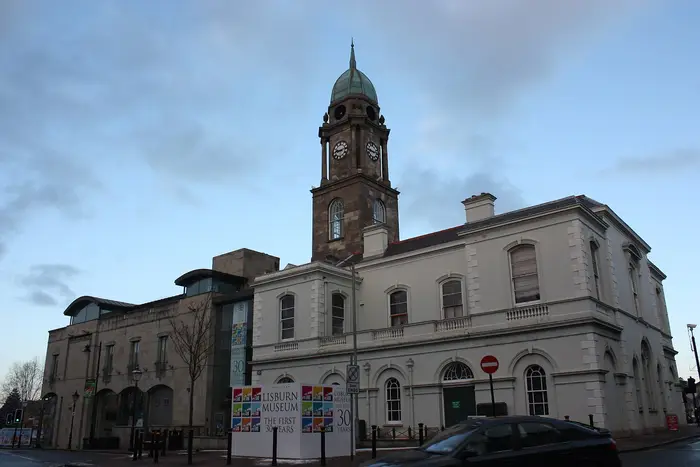
Lisburn
Lios na gCearrbhach
County Antrim · 51,447
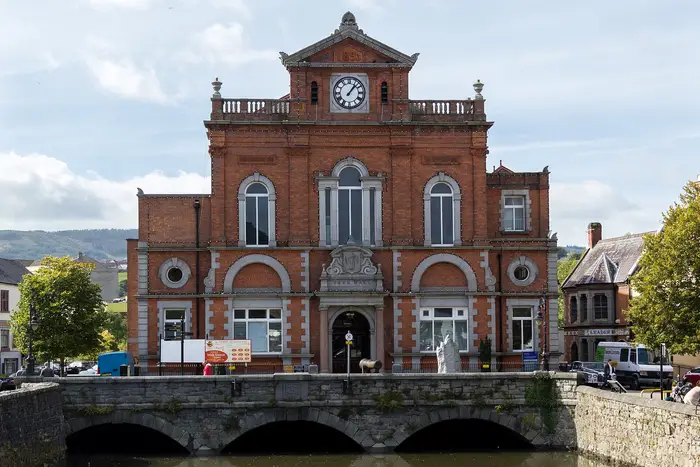
Newry
An tIúr
County Down · 28,026
Kilkenny
Cill Chainnigh
County Kilkenny · 27,184
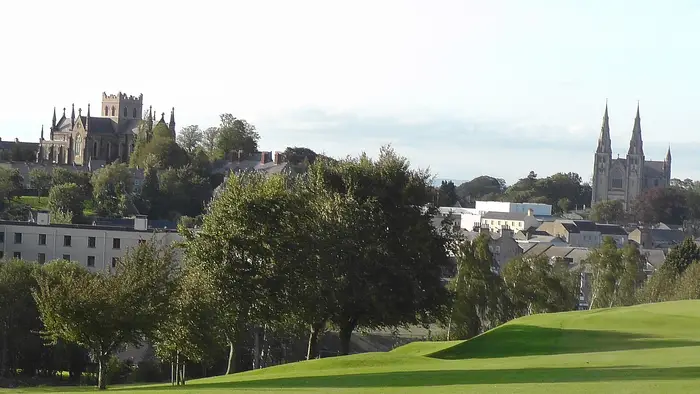
Armagh
Ard Mhacha
County Armagh · 16,438
Photographs from Wikimedia Commons under free licences — photographers are named on each town page and in the picture credits.
The Republic has five cities by statute — Dublin, Cork, Limerick, Galway and Waterford — with Kilkenny keeping the title by charter and custom. Northern Ireland has five: Belfast, Derry, Lisburn, Armagh and Newry. Armagh, the smallest, is a city because it is the ecclesiastical capital, not because of its size.
Waterford. Vikings first settled near the site in 853 and abandoned it around 902; they returned in 914 under Jarl Ottar and built what became Ireland's first city. Its Irish name, Port Láirge, is unrelated to the Norse one — Veðrafjǫrðr, the ram fjord, is where the English name comes from.
93 — the cities and the largest and most historic towns, at least one in every county. There are hundreds more, and we add them as we can.
Dublin, with 1,263,219 people in the city and suburbs at the 2022 census. Belfast is the largest in Northern Ireland at 291,386, and Cork the second largest in the Republic at 222,526.
Almost every Irish placename is Irish underneath. The English forms are attempts by English-speaking surveyors and clerks to write down what they heard, which is why Baile Átha Cliath became Dublin (from a different name entirely, Duibhlinn) and Cill Chainnigh became Kilkenny. The Irish name is usually the one that tells you what the place is.
Drogheda in County Louth, with 44,135 people at the 2022 census, is the largest urban area in the Republic that is not a city. In Northern Ireland the Craigavon urban area is the largest settlement outside Belfast and Derry.
Population figures are given only where we have a census figure to hand, with the year attached.
Is your town missing? There are hundreds more, and every one of them has a name that means something. Tell us which we should add.
Suggest a town →